
Feeling lost after earning your degree? You’re not alone in navigating career confusion. In Pakistan, where over 2 million young people flood the job market annually, many graduates discover their hard-earned qualifications don’t unlock opportunities as promised. A 2023 Pakistan Bureau of Statistics report pegs youth unemployment at 10-12%, with fresh graduates in fields like
Feeling lost after earning your degree? You’re not alone in navigating career confusion. In Pakistan, where over 2 million young people flood the job market annually, many graduates discover their hard-earned qualifications don’t unlock opportunities as promised. A 2023 Pakistan Bureau of Statistics report pegs youth unemployment at 10-12%, with fresh graduates in fields like humanities and basic sciences hit hardest. This isn’t just a number—it’s the reality of countless students and young professionals wondering if their path is wrong or if the system is rigged.
As a career guide who’s mentored hundreds of young Pakistanis, I understand the weight of family expectations, societal pressures, and economic challenges. But here’s the truth: your degree is a starting point, not the whole journey. This article unpacks why your degree alone isn’t enough, how to tackle career confusion, and practical steps to build skills for professional growth. Whether you’re a student in Lahore choosing a major, a fresh graduate in Karachi job-hunting, or a career switcher in Islamabad rethinking your future, this guide will help you turn uncertainty into opportunity. Let’s dive in and chart your path forward.
As someone who’s guided hundreds of young Pakistanis through these turbulent waters, I get it. The pressure from family expectations, societal norms, and economic uncertainties can make professional development feel overwhelming. But here’s the good news: your degree is a foundation, not the finish line. In this article, we’ll dive into why it’s not enough anymore, how to build essential skills, and practical steps for growth. Whether you’re a student in Lahore pondering your major, a fresh graduate in Karachi job-hunting, or a career switcher in Islamabad rethinking your direction, this guide is for you. Let’s turn that confusion into clarity and empower you to thrive.
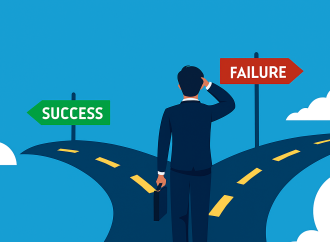
What Is Career Confusion and Why Are You Experiencing It?
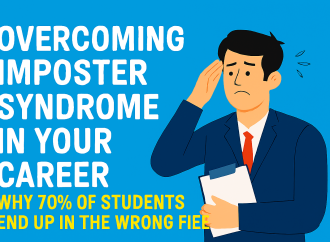
Career confusion hits when you’re unsure about your professional path—maybe you’re second-guessing your degree in engineering because tech jobs demand coding skills you never learned, or you’re a business graduate lost in a sea of entry-level roles that don’t excite you. In Pakistan, this is amplified by rapid changes in the job market. Think about it: just a decade ago, a bachelor’s in computer science might have landed you a stable IT job. Today, with AI and automation reshaping industries, employers seek adaptable problem-solvers, not just credential holders.
Why does this happen to so many in your age group? For starters, our education system often emphasizes rote learning over practical skills. A 2024 World Bank study highlights that only 30% of Pakistani graduates feel prepared for the workforce, citing gaps in critical thinking and digital literacy. Family pressures play a role too—pushing you toward “safe” fields like medicine or law without considering your passions. Economic factors, like inflation and limited job opportunities in smaller cities like Faisalabad or Multan, add to the mix, making you question if switching careers is even feasible.
I remember mentoring a young woman from Peshawar who graduated with honors in biology but felt stuck in low-paying lab roles. Her confusion stemmed from not knowing how to pivot—until she realized it was about bridging her knowledge with market demands. If you’re nodding along, know that career confusion isn’t a failure; it’s a signal to reassess and grow.
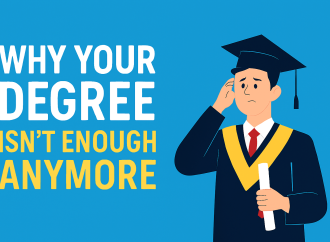
Why Isn’t Your Degree Enough in Today’s Job Market?
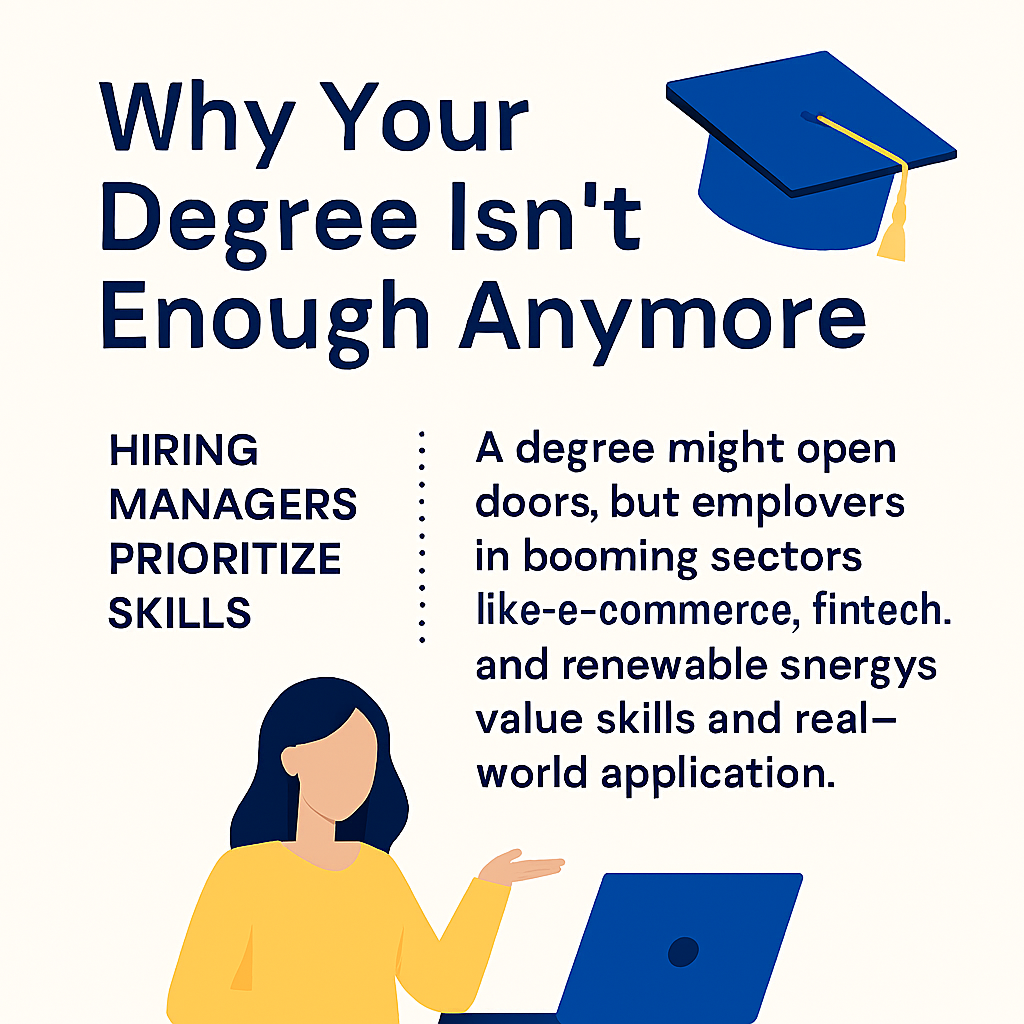
Let’s face it: the job landscape in Pakistan has evolved faster than our curricula. Employers aren’t just looking for qualifications; they want proof of real-world application. A LinkedIn report from 2024 shows that 85% of hiring managers in South Asia prioritize skills over degrees, especially in growing sectors like e-commerce, fintech, and renewable energy. In Pakistan, where the gig economy is booming—think freelance platforms fueling opportunities in graphic design or content creation—your degree might get you an interview, but skills seal the deal.
Consider the mismatch: many universities focus on theory, but jobs require hands-on expertise. For instance, in the textile industry dominant in Punjab, graduates with fashion design degrees often lack digital tools like CAD software, putting them at a disadvantage against self-taught competitors. Economic shifts, including post-COVID remote work trends, have made soft skills like communication and adaptability non-negotiable. Why settle for a routine job when you could leverage your degree with upskilling to aim higher?
This isn’t to devalue your education—it’s a call to enhance it. By understanding this gap, you position yourself for roles that value holistic professionals, reducing the frustration of endless job applications.
How Can You Identify the Right Skills to Develop for Professional Growth?
Identifying skills starts with self-reflection. Ask yourself: What excites you? What problems do you enjoy solving? In Pakistan’s context, align this with high-demand areas. For example, the IT sector, contributing 3.5% to GDP per a 2025 Pakistan Software Export Board estimate, craves skills in programming languages, data analysis, and cybersecurity. If you’re in humanities, focus on content creation or digital marketing, booming with Pakistan’s 70 million+ internet users.
To pinpoint skills, conduct a “skills audit.” List your degree’s strengths—say, analytical thinking from economics—then research job postings in your field. Notice patterns? Employers often seek project management or teamwork, which you might lack. Tools like free online assessments (no specifics needed) can help gauge your proficiency.
Real-world insight: A case study from a Karachi-based career workshop involved a 25-year-old accounting graduate struggling with automation. He identified Excel and data visualization as key skills, practiced them through personal projects, and landed a better role in finance. You can do the same—start small, like analyzing public datasets on Pakistan’s economy, to build confidence.
Remember, skills aren’t static. Prioritize transferable ones: communication for client-facing roles, or leadership for entrepreneurial paths in startups thriving in hubs like Islamabad’s National Incubation Center.
What Steps Can You Take to Overcome Career Confusion?
Overcoming confusion requires action. Here’s a step-by-step plan tailored for young Pakistanis:
- Assess Your Current Situation: Journal your strengths, weaknesses, interests, and values. Use questions like, “What tasks make time fly?” or “What feedback have I received from internships?” This builds self-awareness, crucial in a culture where external advice often overshadows personal choice.
- Research Career Options: Explore fields beyond your degree. If you’re an arts student, consider digital media—Pakistan’s film industry is growing, with opportunities in editing or scripting. Talk to alumni or attend virtual meetups to gather insights.
- Build a Learning Roadmap: Dedicate time weekly to skill-building. For instance, if tech appeals, start with basic coding through free resources. Track progress with milestones, like completing a mini-project every month.
- Gain Practical Experience: Volunteer or freelance. In rural areas like Sindh, community projects in agriculture tech can provide hands-on exposure. Internships, even unpaid initially, bridge theory and practice.
- Network Strategically: Connect with peers and mentors informally. In Pakistan, family networks (wasta) help, but build your own through events or online groups focused on professional development.
- Seek Feedback and Adjust: Regularly review your progress. If a path feels off, pivot—many successful professionals switched careers in their 20s.
Anecdote: I once advised a student from Quetta confused about law school. Through these steps, he discovered passion for environmental policy, volunteered with NGOs, and now advocates for sustainable development in Balochistan. These steps aren’t linear; iterate as needed for your unique journey.
How to Turn Challenges into Opportunities for Skill Development?
Challenges like financial constraints or limited access to resources are real in Pakistan, but they can fuel growth. For example, high youth unemployment (around 11% per ILO 2024 data) pushes many toward entrepreneurship. If funding is an issue, start with low-cost skills like social media management, vital for small businesses in bustling markets like Lahore’s Anarkali Bazaar.
Address mental hurdles: Imposter syndrome is common among fresh grads. Combat it by celebrating small wins, like mastering a new tool. Time management? Use techniques like the Pomodoro method to balance studies or jobs with upskilling.
Case study: Sarah, a 28-year-old career switcher from Rawalpindi, left teaching for graphic design amid burnout. Facing skepticism from family, she focused on online tutorials and built a portfolio showcasing Pakistani cultural motifs. Today, she freelances successfully, turning her challenge into a thriving side hustle.
Opportunities abound—leverage Pakistan’s youthful demographic (over 60% under 30) for collaborative learning. Join study groups or hackathons to practice skills in a supportive environment.
Why Embracing Lifelong Learning Is Key to Your Success
In a world where jobs evolve every few years, lifelong learning isn’t optional—it’s essential. Why commit to it? Because it future-proofs your career. In Pakistan, with initiatives like the National Vocational and Technical Training Commission promoting skills, those who adapt thrive. A 2025 UNESCO report notes that continuous learners earn 20-30% more over their lifetimes.
Make it habit: Read industry news, attend webinars, or experiment with side projects. If you’re in engineering, learn about green tech amid Pakistan’s energy crisis. This mindset shifts confusion to curiosity, opening doors you never imagined.
Personal story: Early in my career, I faced confusion post-graduation in economics. Embracing learning—through books and mentors—led me to specialize in youth empowerment. It wasn’t easy, but it was transformative.
Wrapping It Up: Your Path to a Fulfilling Career Starts Now
You’ve made it this far, which means you’re already taking steps toward clarity. Remember, your degree isn’t a limitation—it’s a launchpad. By addressing career confusion head-on, developing key skills, and committing to growth, you’re not just surviving Pakistan’s competitive job market; you’re poised to lead in it.
Challenges will come, but with the actionable advice here—from self-assessments to practical experiences—you have the tools to overcome them. Stay optimistic: every successful professional started where you are. What if this is the moment you turn “what now?” into “watch me”? Embrace the journey, invest in yourself, and watch your professional world expand. You’ve got this—Pakistan’s future needs your unique contributions.






Leave a Comment
Your email address will not be published. Required fields are marked with *