
Entrepreneur vs Employee Pakistan 2025: Your Career Choice Are you a young student or fresh graduate in Pakistan, staring at your degree and wondering what comes next? Maybe you’re a career switcher in your mid-20s, feeling stuck in a job that doesn’t excite you anymore. Career confusion hits hard in this age group—18 to 30—where
Entrepreneur vs Employee Pakistan 2025: Your Career Choice
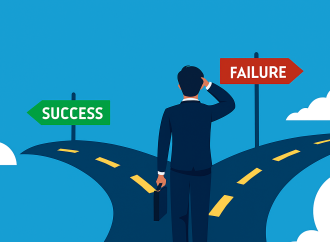
Are you a young student or fresh graduate in Pakistan, staring at your degree and wondering what comes next? Maybe you’re a career switcher in your mid-20s, feeling stuck in a job that doesn’t excite you anymore. Career confusion hits hard in this age group—18 to 30—where societal expectations, family pressures, and a rapidly changing job market collide. One big dilemma? Should you chase the stability of being an employee or dive into the thrilling yet risky world of entrepreneurship? This choice can define your professional growth, skill development, and overall life satisfaction. In this guide, we’ll explore how to decide between entrepreneur vs employee Pakistan 2025 paths, tailored to Pakistan’s unique context, with actionable advice to help you build a fulfilling career.
Pakistan’s youth face unique challenges: with a youth unemployment rate around 9.86% for those aged 15-24, many are torn between secure jobs and starting their own ventures. But here’s the empowering truth—you have the power to choose wisely. We’ll break it down step by step, drawing on real-world insights and data to guide you through this decision.
Why Is Choosing Between Entrepreneur and Employee Such a Big Deal in Pakistan?
In a country like Pakistan, where the economy is projected to grow but still grapples with challenges like inflation and limited formal job opportunities, this choice isn’t just about money—it’s about your lifestyle, skills, and future. Why does it matter so much? For starters, entrepreneurship can drive innovation and economic growth, but it requires resilience in a market ranked 122nd globally for entrepreneurship development. On the flip side, employment offers structure, especially in booming sectors like IT and banking.
Think about it: As a young Pakistani, you might have grown up hearing stories of relatives who built family businesses from scratch or secured government jobs for lifelong stability. But in 2025, with digital tools making startups more accessible, the lines are blurring. This decision impacts your skill development—employees often gain specialized expertise through on-the-job training, while entrepreneurs build broad skills like leadership and problem-solving. Why rush into one without reflection? Because misalignment can lead to burnout or regret. By understanding the why, you set the foundation for professional growth that feels authentic to you.
What Are the Pros and Cons of Choosing Job Roles in Pakistan?
Let’s start with the employee path, which many young Pakistanis opt for due to its predictability. What draws people to it? Stability is a big one. In Pakistan, where economic uncertainties like rising costs can strain families, a steady paycheck from a job in sectors like telecommunications or education provides security. According to recent data, formal employment offers benefits like health insurance and pensions, which are crucial in a country with limited social safety nets.
Pros include:
- Fixed Income and Benefits: You get a reliable salary, often with bonuses in growing industries. For instance, entry-level IT jobs in Lahore can start at PKR 50,000-80,000 monthly, allowing you to plan finances without the stress of variable earnings.
- Work-Life Balance: Most jobs come with set hours, leaving time for family, studies, or side hustles—vital in a culture that values community.
- Skill Development Opportunities: Companies invest in training, helping you build expertise in areas like project management or digital tools, fostering professional growth.
- Lower Risk: No need to invest personal savings; your employer handles the business risks.
But it’s not all smooth sailing. What are the downsides? Limited growth potential if you’re in a stagnant role—promotions can be slow in bureaucratic setups common in Pakistan. You might feel like a cog in a machine, with less autonomy over decisions. In a job market where youth unemployment hovers around 6.3% overall, competition is fierce, leading to underemployment where your skills aren’t fully utilized. Rhetorically, do you want to trade your dreams for security, or is there a balance?
What Are the Pros and Cons of Being an Entrepreneur in Pakistan?
Now, flip the coin to entrepreneurship—the path of innovators and risk-takers. What makes it appealing in Pakistan? With a growing middle class expected to reach millions by 2025, driven by digital connectivity, there’s huge potential for startups in e-commerce, agriculture tech, or services. Young entrepreneurs are shaping the future, with only 1% being women highlighting room for diverse voices.
Pros include:
- Unlimited Earning Potential: Successful ventures can yield far more than a salary. For example, tech startups in Karachi have scaled to millions in revenue, offering financial independence.
- Autonomy and Creativity: You call the shots, innovating solutions to local problems like affordable education apps or sustainable farming tools.
- Skill Development on Steroids: Entrepreneurship hones multitasking, networking, and resilience—key for long-term professional growth.
- Impact and Legacy: Build something that creates jobs and contributes to Pakistan’s economy, aligning with youth empowerment goals.
Cons? High risk—many startups fail due to funding shortages or market challenges. In Pakistan, bureaucratic hurdles like registration can be daunting. Work-life balance suffers with long hours, and initial income might be zero. Why risk it? Because for some, the freedom outweighs the uncertainty. Ask yourself: Are you ready for the ups and downs?
How Can You Assess Your Personal Fit for Entrepreneurship or Employment?
Self-assessment is key to overcoming career confusion. How do you know which path suits you? Start by evaluating your personality, skills, and circumstances in Pakistan’s context.
Consider your risk tolerance: If financial instability worries you amid rising inflation, employment might be safer. But if you’re driven by passion, like solving urban traffic issues in Islamabad, entrepreneurship could ignite your growth.
Assess skills: Employees thrive with specialized knowledge, while entrepreneurs need versatility. In Pakistan, where youth make up a large workforce, building transferable skills like communication or digital literacy is crucial either way.
Family and support: In a collectivist society, discuss with loved ones—entrepreneurship might strain resources, but success brings pride.
Financial readiness: Do you have savings for a startup, or need a job’s steady income? Data shows entrepreneurs often start with low capital in Pakistan, but planning is essential.
Rhetorical question: What excites you more—climbing a corporate ladder or building your own empire? Use tools like journaling or pros/cons lists to clarify.
Real-World Insights: Stories from Young Pakistanis Navigating This Choice
Let’s bring this to life with case studies inspired by real trends in Pakistan. These aren’t just stories—they’re insights into how others overcame confusion.
Take Sara, a 25-year-old from Lahore. After graduating in business, she took a stable job at a bank but felt unfulfilled. Inspired by local tech booms, she switched to entrepreneurship, starting a small online handicrafts business. Within two years, it grew, employing locals and earning more than her salary. Her key? Skill development in marketing during her job, which she applied to her venture.
Then there’s Ahmed, 28, from Karachi. He dreamed of entrepreneurship but chose employment in software development due to family needs. Now, he’s advancing professionally, gaining skills in AI that he plans to use for a future startup. His story shows hybrid paths—side hustles while employed.
These examples, drawn from youth entrepreneurship ecosystems, highlight that decisions evolve. Like the young innovator on national TV pitching ideas at 20, success comes from persistence and adapting to Pakistan’s dynamic market.
Practical Steps to Decide and Start Your Journey
Ready to act? Here’s a step-by-step guide to navigate this choice, focusing on skill development and growth.
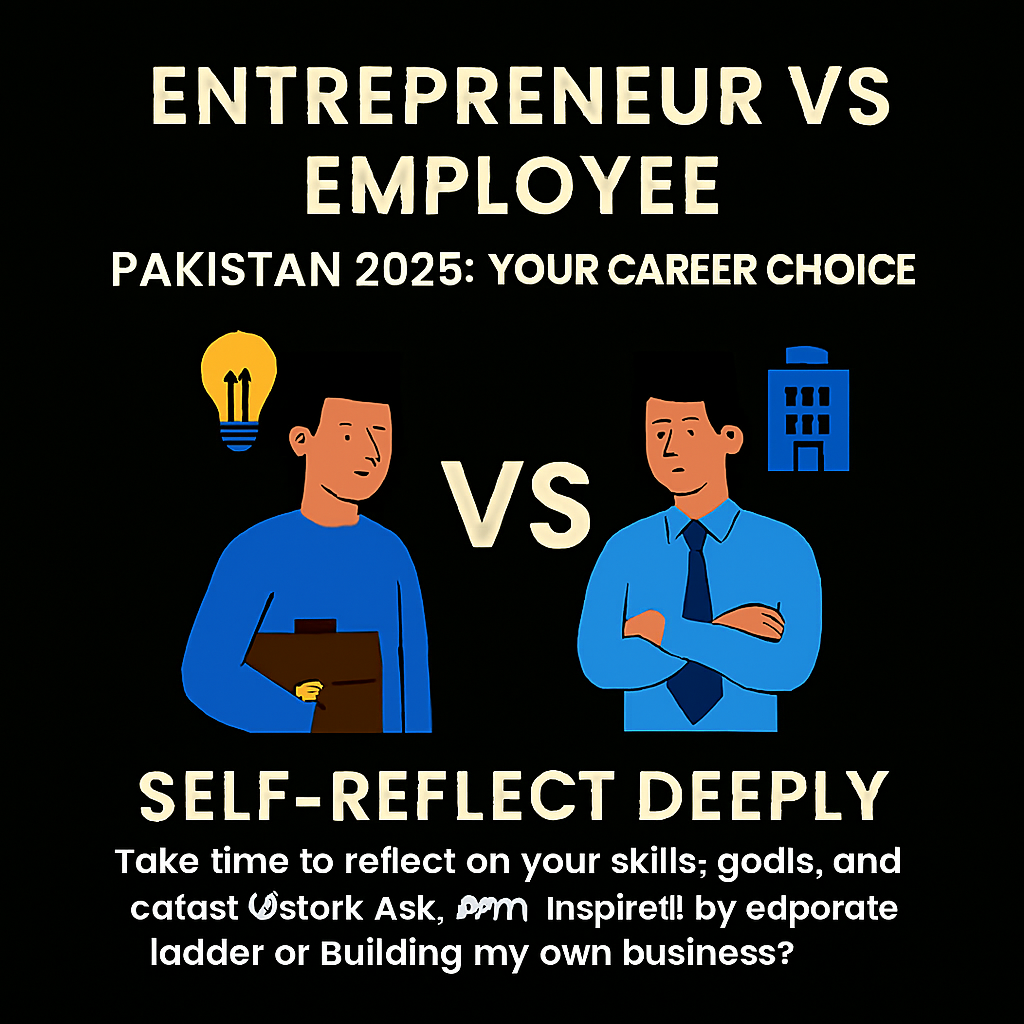
- Self-Reflect Deeply: Spend a week journaling your strengths, fears, and goals. Ask: What skills do I have, and which path lets me develop them?
- Research Thoroughly: Study Pakistan’s job market—look at sectors like fintech for employment or e-commerce for startups. Use data: With SMEs benefiting from schemes, entrepreneurship is rising.
- Test the Waters: If leaning toward entrepreneurship, start a side project like freelancing services. For employment, update your resume and network at local events.
- Build Essential Skills: Regardless, focus on digital literacy, communication, and problem-solving—vital in Pakistan’s evolving economy.
- Seek Mentorship: Talk to experienced professionals in your city; their insights can clarify doubts.
- Set Milestones: Decide with a timeline—e.g., try employment for a year, then reassess.
- Monitor Progress: Track your satisfaction and growth quarterly to adjust.
These steps empower you to move from confusion to confidence, emphasizing actionable professional development.
Why Should You Embrace This Decision with Optimism?
Making this choice isn’t easy, but it’s a gateway to empowerment. In Pakistan’s vibrant youth scene, whether as an employee contributing to national growth or an entrepreneur innovating solutions, you’re part of something bigger.
In Conclusion: Your Career Path Awaits—Choose Boldly
To sum up, career confusion between entrepreneur vs employee Pakistan 2025 is common, but it’s your opportunity to align with what truly drives you. By weighing pros, cons, and personal fit, using insights from Pakistan’s context, you can build a path rich in skill development and growth. Ultimately, whether you opt for stability or innovation, start small, stay resilient, and trust the process. Looking ahead, your decision today shapes a brighter tomorrow. So, what’s holding you back? Dive in, and let your career soar.












Leave a Comment
Your email address will not be published. Required fields are marked with *