
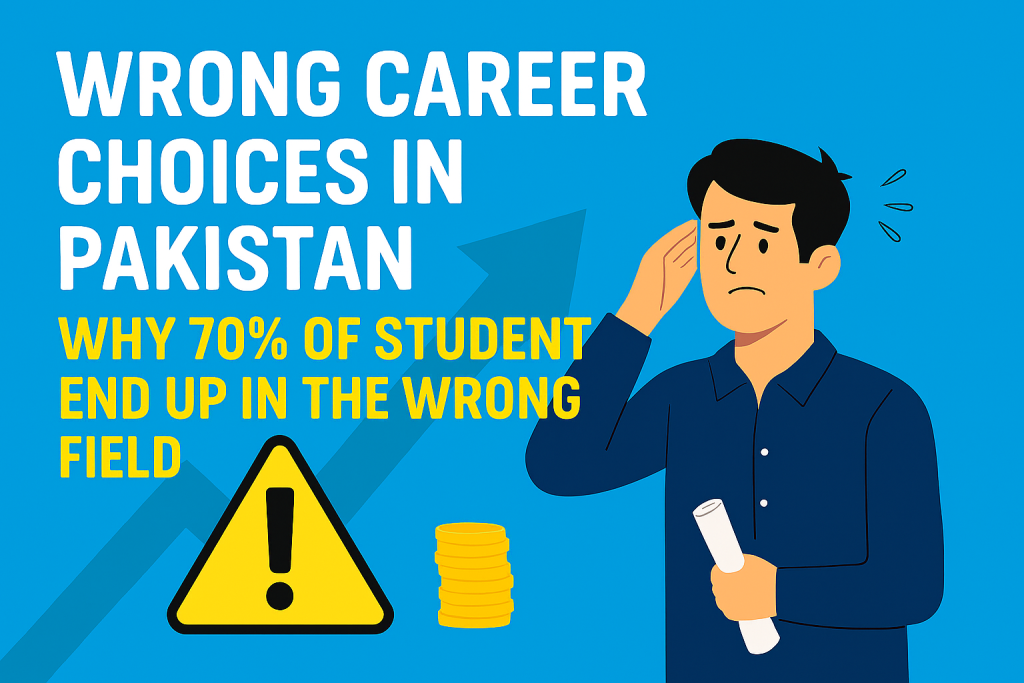
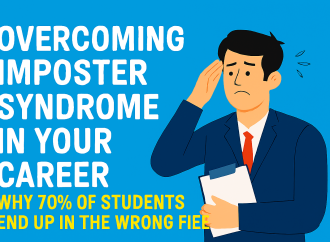
🎓 Introduction: Are You on the Right Career Path? Wrong career choices in Pakistan are more common than you think. Have you ever sat in class or at your desk wondering, “Is this really what I want to do for the rest of my life?” If so, you’re not alone… This silent crisis leads to
🎓 Introduction: Are You on the Right Career Path?
Wrong career choices in Pakistan are more common than you think. Have you ever sat in class or at your desk wondering, “Is this really what I want to do for the rest of my life?” If so, you’re not alone…
This silent crisis leads to years of dissatisfaction, underperformance, and a lingering sense of being “stuck.” But here’s the truth: career confusion is not a life sentence. With the right mindset and strategy, you can realign your professional journey toward something that truly fits you.
Let’s explore why this happens, how to recognize the signs, and what you can do to take control of your future.
🤔 Why Do So Many Pakistani Students Choose the Wrong Career?
1. What Role Does Family Pressure Play?
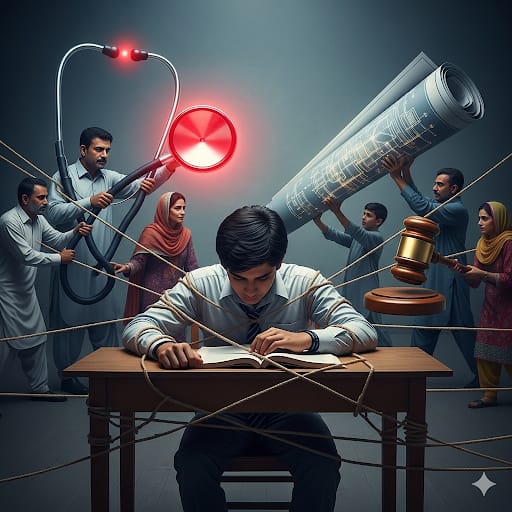
In many Pakistani households, career decisions are often made around the dinner table — not in the heart of the student. Phrases like “Doctor ban jao, izzat milegi” or “Engineering is the safest option” are common. While well-intentioned, these suggestions often ignore the student’s actual interests and strengths.
Impact:
- Students pursue degrees for prestige, not passion
- Skills and interests are misaligned with career paths
- Long-term dissatisfaction and burnout become inevitable
2. Why Is Career Counseling Still Missing in Schools?
Most schools and colleges in Pakistan prioritize grades over guidance. Career counseling, if offered at all, is often a one-time seminar rather than a structured, ongoing process.
Impact:
- Students choose subjects without understanding job market realities
- Lack of awareness about emerging fields like data science, UX design, or renewable energy
- Mismatched expectations between education and employment
3. How Does Limited Exposure to Real Work Affect Career Choices?
Internships, job shadowing, and industry visits are rare in early academic years. Without firsthand experience, students rely on assumptions or hearsay.
Impact:
- Unrealistic expectations about salaries and job roles
- Disappointment when the actual work doesn’t match the imagined version
- Difficulty adapting to workplace culture and demands
4. Is Peer Pressure Steering You Off Course?
When everyone in your friend circle is applying for the same degree, it’s tempting to follow the crowd. But trend-chasing often leads to oversaturated job markets and missed opportunities in niche but high-demand fields.
Impact:
- Overcrowded professions with limited growth
- Neglect of creative or vocational careers that may offer better fit and fulfillment
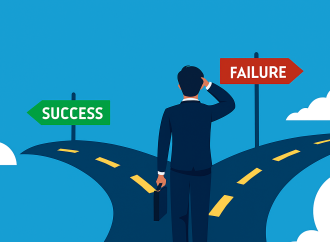
🚨 How to Know If You’re on the Wrong Career Path
Recognizing the problem is the first step toward solving it. Here are some red flags:
- You dread going to class or work — not because it’s hard, but because it feels meaningless
- Your strengths aren’t being used — you’re creative, but stuck in repetitive tasks
- You can’t imagine yourself in your current field five years from now
- You’re only motivated by the paycheck — and even that doesn’t feel worth it
If any of these resonate with you, it’s time to reassess your direction.
📊 The Bigger Picture: Wrong Career Choices In Pakistan
Let’s connect the dots with some hard facts:
- Education-Industry Gap: According to the Pakistan Institute of Development Economics (PIDE), over 31% of degree holders are unemployed — largely due to skill mismatches
- Cultural Prestige Hierarchy: Medicine, engineering, and civil services are seen as “respectable,” while creative or vocational careers are undervalued
- Economic Uncertainty: Families push for “safe” careers, fearing instability in newer industries
- Lack of Mentorship: Few students have access to professionals who can share honest, firsthand career insights
- “Wrong career choices in Pakistan often stem from a lack of exposure to real-world work environments.”
These systemic issues create an environment where career confusion thrives.
🛠️ How Can You Choose the Right Career Path?
What Are Your Strengths and Interests?
Start with self-reflection. Ask yourself:
- What tasks make me lose track of time?
- Which subjects or activities do I naturally excel at?
- What do people often ask me for help with?
Write down your answers. Patterns will emerge that point toward your true strengths.
How Can You Align Passion with Market Demand?
Choosing a career isn’t just about what you love — it’s also about what’s sustainable. Research:
- Which industries are growing in Pakistan (e.g., IT, e-commerce, healthcare tech)
- What global skills are in demand that you can learn locally
- What roles offer both fulfillment and financial stability
Why Should You Test Before You Commit?
Before enrolling in a degree or quitting your job:
- Take short courses to explore new fields
- Volunteer or intern to gain real-world experience
- Speak to professionals already working in your area of interest
This approach minimizes risk and helps you make informed decisions.
What Skills Are Always Valuable?
Regardless of your field, certain skills are universally beneficial:
- Communication
- Problem-solving
- Digital literacy
- Emotional intelligence
Investing in these will serve you well — even if you switch careers later.
How Do You Find the Right Mentor?
Look for someone 5–10 years ahead of you in your desired field. Their insights can save you years of trial and error. Ask questions like:
- What challenges did you face early on?
- What would you do differently if you were starting today?
- What skills helped you grow the fastest?
Mentorship isn’t about shortcuts — it’s about clarity.
🌟 Real-Life Story: From Wrong Degree to Dream Career
Ayesha’s Journey (Karachi)
To begin with, Ayesha enrolled in a BSc in Physics because her parents believed it was a “respectable” choice. However, by her second year, she began to realize that research wasn’t her calling. Rather than dropping out, she made a bold decision: she completed her degree while simultaneously taking evening classes in graphic design.
Eventually, her passion and persistence paid off. Today, she works as a brand designer for a multinational company — a role that truly reflects her creativity and interests.
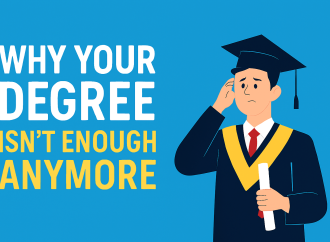
Her story serves as a powerful reminder that it’s never too late to pivot. More importantly, it proves that your degree doesn’t have to define your destiny.
📌 Practical Steps You Can Take Today
Now that you’ve seen what’s possible, let’s explore some actionable steps you can take to gain clarity and move forward:
✅ Self-Audit: List Your Strengths, Interests, and Values
Start by reflecting on what you enjoy, what you’re naturally good at, and what matters most to you. This foundational step helps you understand who you are — beyond your academic background.
📊 Market Research: Explore Growing Industries and Skill Gaps
Next, look into industries that are expanding in Pakistan and globally. For instance, fields like IT, e-commerce, and healthcare tech are booming. Understanding market demand ensures your passion aligns with opportunity.
🧠 Skill Building: Enroll in Short Courses or Workshops
Once you’ve identified your interests, begin developing relevant skills. Whether it’s coding, design, communication, or data analysis — short courses can help you build competence without a long-term commitment.
🤝 Networking: Attend Events, Join Forums, Connect with Professionals
In addition to learning, surround yourself with people who are already doing what you aspire to do. Conversations with professionals can offer insights that textbooks never will.
🧓 Mentorship: Reach Out to Someone in Your Desired Field
Furthermore, finding a mentor can accelerate your growth. A mentor can guide you, challenge your thinking, and help you avoid common pitfalls.
🧪 Experiment: Try Internships, Freelance Gigs, or Side Projects
Finally, test the waters before diving in. Real-world experience — even in small doses — can validate your interests and build confidence.
Taken together, these steps aren’t just theoretical advice. They form a practical roadmap to help you move from confusion to clarity — and from hesitation to action.
💬 Conclusion: Your Career Is a Journey — Not a Dead End
Without a doubt, career confusion is a genuine challenge — but it doesn’t have to define your future. Whether you’re navigating university life, stepping into the workforce, or contemplating a career shift, remember this: you possess the ability to reshape your path in a way that reflects your values, strengths, and aspirations.
In fact, every step you take — even the uncertain ones — can lead you closer to clarity. Rather than viewing your current situation as a trap, consider it a turning point. With reflection, intention, and courage, you can move from confusion to confidence.
So pause for a moment and ask yourself: Are you chasing someone else’s version of success, or are you crafting a future that’s truly your own?
Because ultimately, the choices you make today could redefine everything tomorrow.
Would you like help crafting a motivational quote or banner to pair with this conclusion for your blog?
Ultimately, overcoming wrong career choices in Pakistan starts with self-awareness and a willingness to explore new possibilities










Leave a Comment
Your email address will not be published. Required fields are marked with *